
Artikkeli
TMD and LymphaTouch
Around 10% of the population need treatment for temporomandibular disorders (TMD). This article looks at TMD rehabilitation with LymphaTouch, including a case from physiotherapist Jenni Soikkeli.
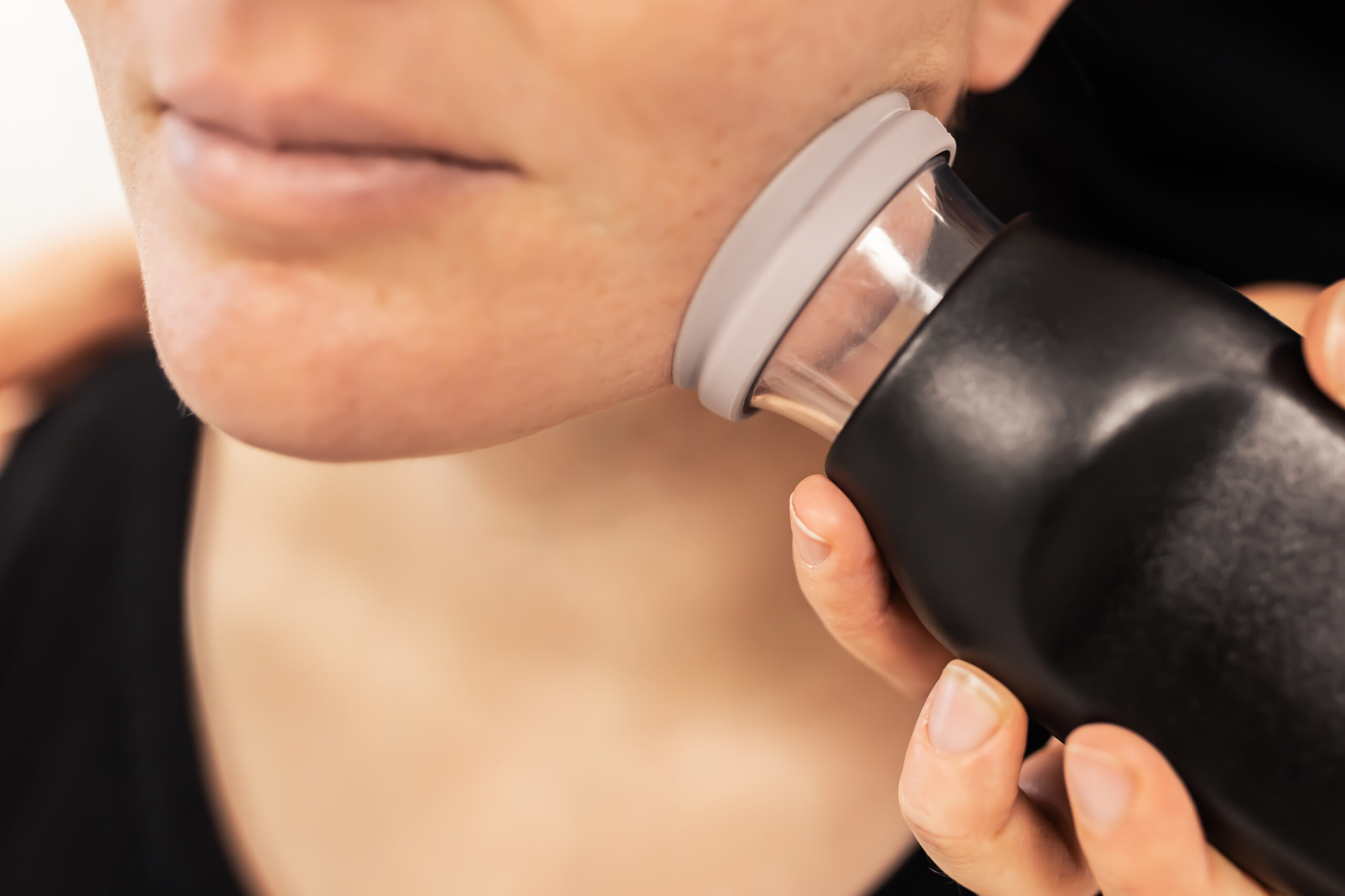
Temporomandibular disorders (TMD) are common, and many people experience them at some point in their lives. Symptoms are often mild and pass on their own, but around 10% of the population need treatment for TMD. Symptoms are more common in women and girls than in men. Whether symptoms develop and how they progress usually depends on a range of physiological, psychological and behavioural factors, which can predispose to, trigger and maintain TMD.
The most common symptoms of TMD are:
- pain in the jaw joints or masticatory muscles
- jaw joint sounds, such as clicking
- jaw fatigue and stiffness
- restricted mouth opening
- impaired movement of the lower jaw
Other possible symptoms include:
- headache
- facial pain
- ear pain
TMD symptoms can be muscular, articular or a combination of the two, and they are comparable to musculoskeletal symptoms elsewhere in the body. Pain related to TMD has been shown to behave much like other chronic pain conditions. Symptoms are most common between the ages of 35 and 50, but they also occur in school-age children, usually in a mild and intermittent form.
TMD rehabilitation
Rehabilitation is a key part of TMD treatment. The aim is to reduce pain, improve jaw joint mobility and normalise the function of the masticatory muscles. Physiotherapy for TMD draws on several methods:
- Manual therapy: massage and soft tissue techniques help reduce muscle tension and improve blood circulation.
- Joint techniques: improve jaw joint mobility and relieve pain.
- Exercise: improves the mobility of the jaw joint and neck and strengthens the muscles.
- Self-care advice: patients are given guidance on easing their symptoms and improving jaw joint function at home.
The physiotherapist assesses the patient's overall posture, jaw joint function and any bite problems. Measurements are taken at the start and end of the treatment period to track how well the treatment is working.
LymphaTouch as part of TMD treatment
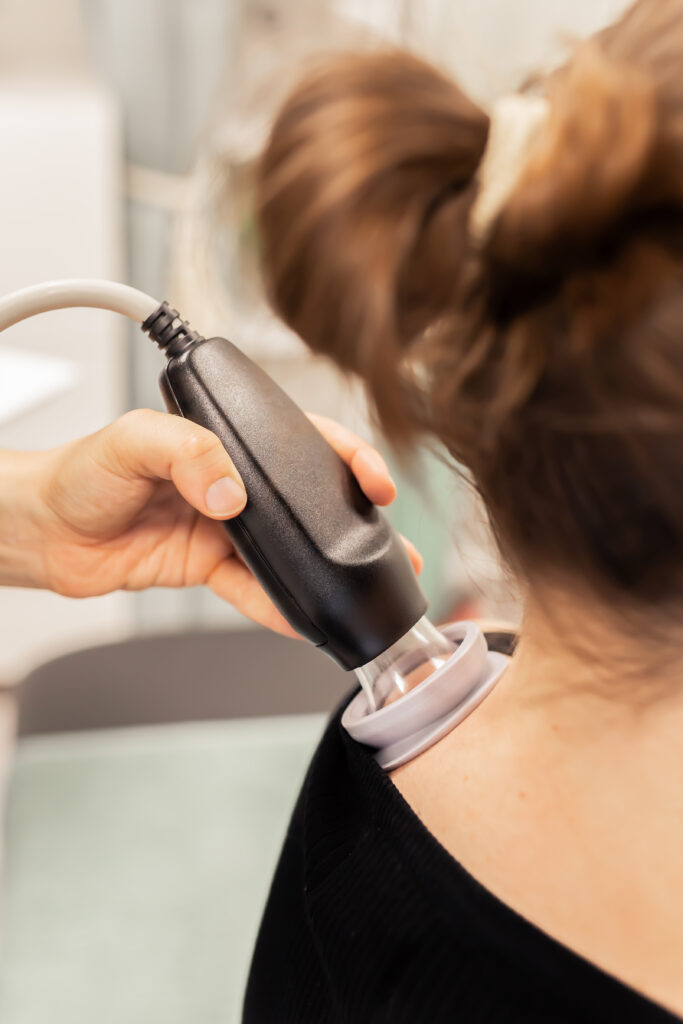
LymphaTouch is used as part of comprehensive physiotherapy for clients with TMD. The device is based on negative pressure technology and provides gentle, effective treatment that can help from the very first session. A longer treatment period is usually needed for the best results.
Why LymphaTouch?
- Gentle treatment: clients experience the treatment as painless, including those who may find manual therapy painful.
- Safe on the face: mechanical negative pressure and vibration are safe to use on the face and help soften tight tissue structures.
- Versatile: thanks to the adjustable negative pressure and different cup sizes, the device can also be used to treat the neck and shoulder area.
LymphaTouch adds an effective and painless option to the treatment of TMD symptoms.
Client story
Treating chronic tension in the masticatory and neck muscles
Two clients had long-standing problems caused by bruxism, which had led to chronic tension in the masticatory muscles and the neck and shoulder area. Range of motion in the neck and jaw joint was limited, and the quality of jaw joint movement was impaired, with unilateral lateral deviation and clicking. There were also tender points at the base of the skull.
Treatment protocol:
- 60 minutes of LymphaTouch: the base of the skull, the masticatory muscles (masseter, temporalis and pterygoid muscles) and the sternocleidomastoid were treated with LymphaTouch on the pulsation setting at 90 to 200 mmHg. The base of the skull was treated at 150 to 200 mmHg and the masticatory muscles at 90 to 130 mmHg. Treatment started with light negative pressure, and the intensity was increased according to how the client felt.
- Manual soft tissue treatment
- Gentle upper neck mobilisation
Results: in both cases, the quality of jaw joint movement improved considerably, deviation clearly decreased and neck range of motion improved. Pain was significantly reduced. In the clients' words: “Clearly softer and not nearly as painful anymore.”
This client story was shared by physiotherapist Jenni Soikkeli (@purenta.fysio.jenni).
Source: Current Care Guidelines (Käypä hoito): Temporomandibular disorders, 2021.
Watch the webinar recording
Fill in your details to get instant access to the recording.