
Tutkimus
LymphaTouch treatment for chemotherapy-induced peripheral neuropathy
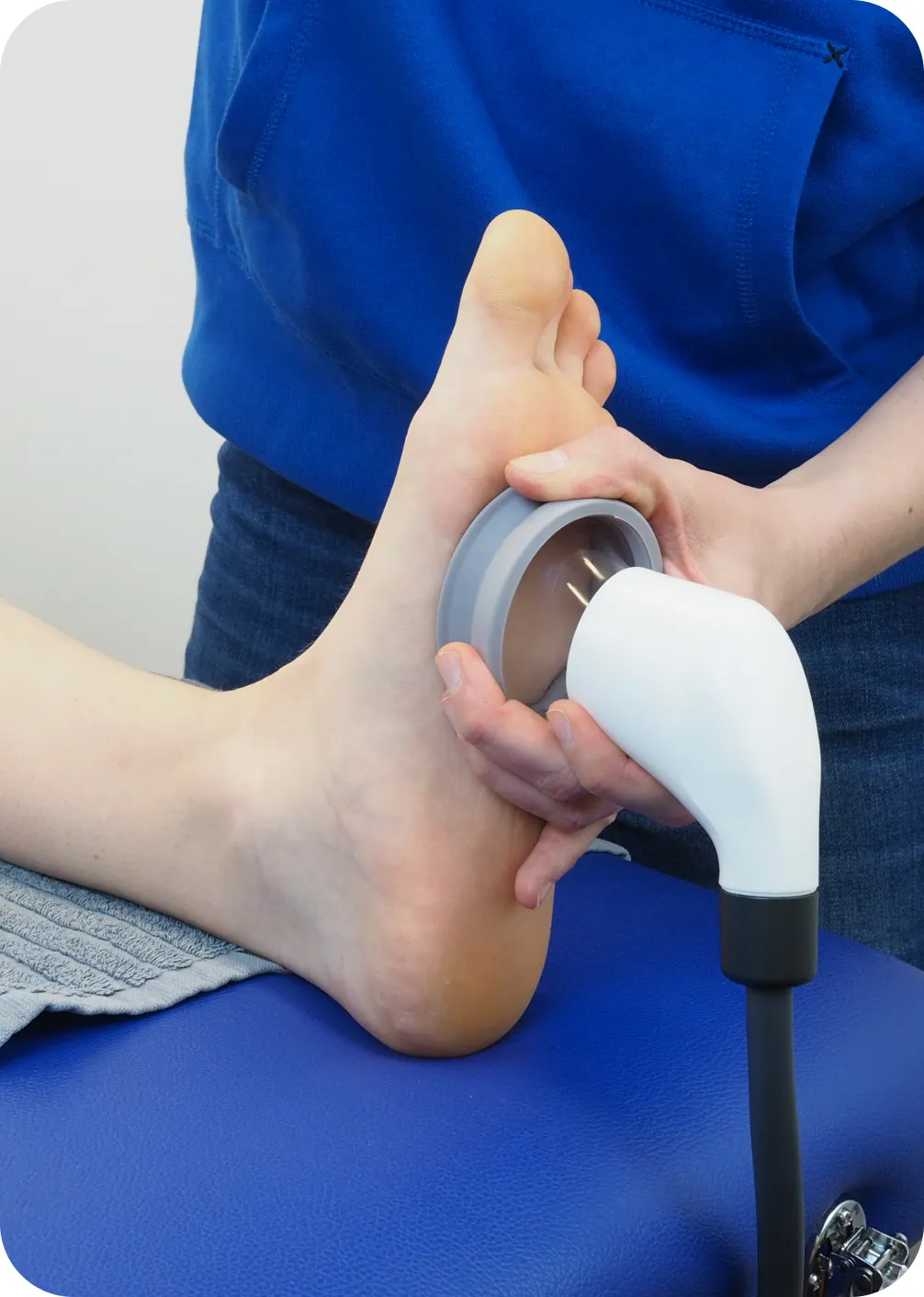
A case study by Harris (2020) describes six LymphaTouch sessions for a 64-year-old woman who developed chemotherapy-induced peripheral neuropathy during breast cancer treatment.
Preparatory methods in occupational therapy for chemotherapy-induced peripheral neuropathy (CIPN): A case study
Harris, A. 2020. Belmont University, OTD Capstone Projects. https://repository.belmont.edu/otdcapstoneprojects/27/
Abstract: Invasive breast cancer affects an estimated 268,600 women per year. However, the mortality rate for breast cancer has declined and the approximate number of deaths from breast cancer is less than one-third of new cases. Along with the heightened chance of survival, there is also an increase in the side-effects of aggressive treatment options. The treatments such as surgery, chemotherapy, and radiation therapy may be curative but provide occupational limitations of their own. Chemotherapy-induced peripheral neuropathy (CIPN) is a debilitating, long-lasting side effect of many chemotherapy regimens. CIPN is estimated to affect 10-80% of patients and may last over six years following the conclusion of treatment.
This case study highlights the treatment of a 64-year-old female who developed CIPN throughout the treatment of breast cancer. The client reported symptoms of CIPN during follow-up for lymphedema maintenance with the occupational therapist. The client agreed to complete a trial using LymphaTouch™ to decrease symptoms of CIPN. She completed six sessions, each lasting 25 minutes in duration. Objectively, the client demonstrated increased two-point discrimination, vibratory sensation, strength, and increased sensation in portions of her hands and feet. However, portions of her feet decreased in sensation, her balance remained in a normal range, and while overall, her strength increased, it was still below the norm for her age range. The client subjectively reported increased ability to complete meaningful tasks, decreased impact of CIPN, and no disability regarding ADLs. While the objective measures had mixed results, the client’s self-perception about the impact of CIPN on her ability to complete desired tasks suggests increased self-efficacy and quality of life.
Watch the webinar recording
Fill in your details to get instant access to the recording.